By: Maria Cieslarczyk
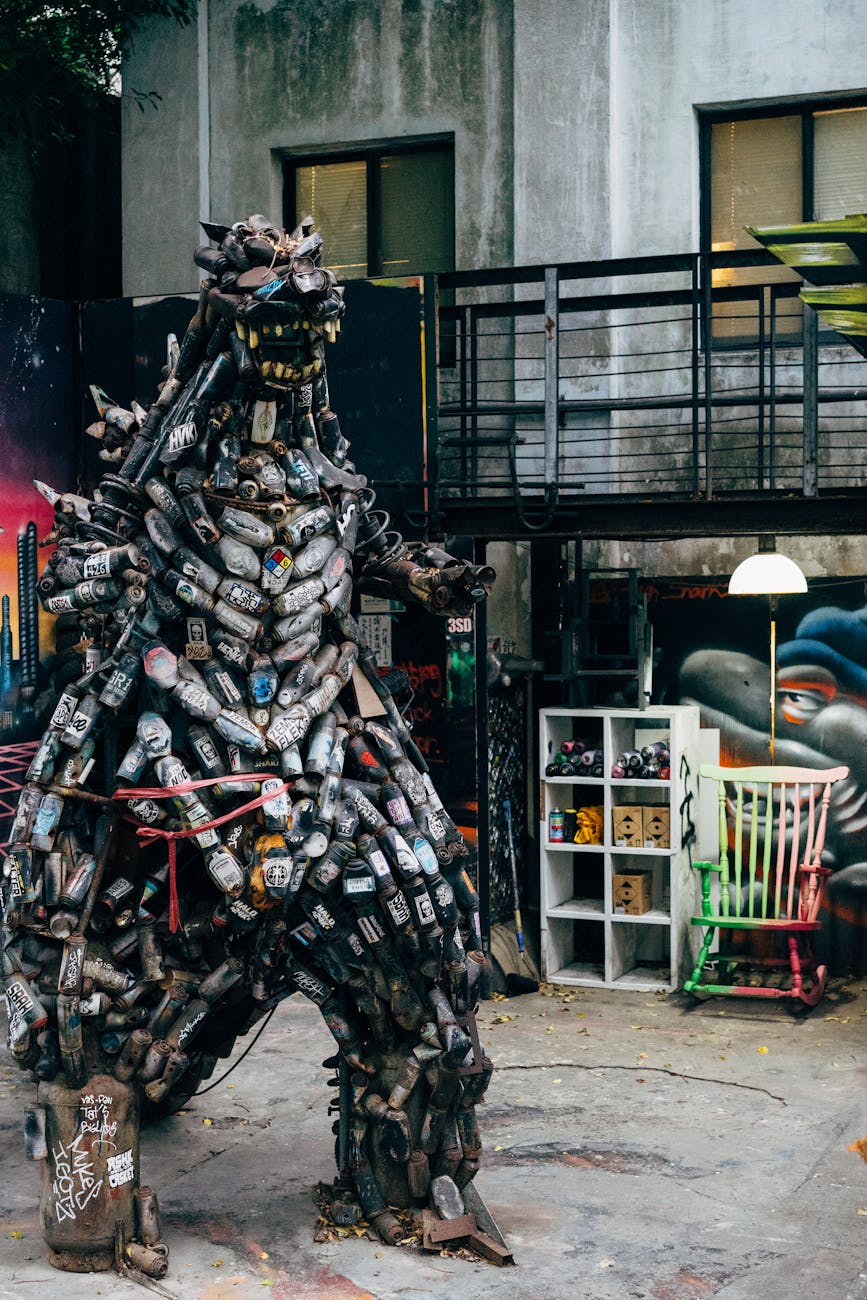
Toho Studios and Robot Communications’ action/sci-fi film Godzilla: Minus One (2023) is not only a re-telling of the timeless monster tale; it is at the forefront, an Asian-focused story that delves into the themes of war, found family, and redemption.
The film won a 2024 Oscar for the Best Visual Effects Category…and it is more than well-deserved. Besides being the first Japanese film to be nominated in the category, it is also the first movie in the iconic Godzilla franchise to be considered for an Academy Award nomination.
Set shortly after WWII, the film focuses on kamikaze pilot Kōichi Shikishima (played by the talented Ryunosuke Kamiki) who comes face-to-face with Godzilla himself on a remote island in Japan. After being one of the only survivors of the fatal encounter, Kōichi returns to his mainland hometown, only to discover his entire neighborhood destroyed…including his own family.
As Kōichi struggles to come to terms with his decision to live, a woman by the name of Noriko Oishi and an orphaned child Akiko, stumble into his life. He allows them to stay in his tiny home, and thus, a beautiful friendship – a trope of found family – blossoms.
Seeking work as a Minesweeper gunner of the Shinseimaru crew, Kōichi meets lifelong friends and starts to adjust with his new normal post-war…only for Godzilla to swim across the sea and invade! The past horrifically revives, and Kōichi is faced with his ultimate destiny.
According to an article from the Academy Awards How the ‘Godzilla Minus One’ VFX Team Took the Titan to Terrifying New Heights, writer-director Takashi Yamazaki (who oversaw the movie’s visual effects) shared the effort it took with their small domestic production to use VFX to portray Godzilla as the iconic monster he is.
“When Godzilla first appears in the smaller form on the airstrip, we wanted to show kaijū, but at the same time, we wanted the audience to feel this fear of an unknown being emerging from the darkness. We played a lot with the brightness of the overall scenes, the direction of how we’re going to show Godzilla and the performance of Godzilla itself” (11).
The VFX not only showed incredible details of Godzilla’s monstrous scaly form, but also used modern technology to portray the monstrosity and sheer scale of the terrifying creature…all while paying homage to the monster that fans know and love.
Rotating to cultural impact, the film is in Japanese audio with English subtitles. Although I personally love watching films in their original language, this film choice purposefully allows for more AAPI representation, without steering to cater to Western audiences. This decision also allows for more authenticity and appreciation of the Japanese culture.
Although there have been plenty of Godzilla films in the past (some of them being more modern pieces of Western cinema), this was a visually stunning film that also allowed for a sense of thoughtfulness. Sure, Godzilla: Minus One remains an epic monster story; however, the plot does not shy away from hard-hitting topics.
The story itself is intense and jam-packed full of action as well as drama scenes. The haunting theme of the consequences of war is striking as we get to know Kōichi’s character more intimately. Although a talented pilot, his decision to keep living (despite his role as a kamikaze pilot) is looked down upon multiple times. As if choosing to survive was a sin rather than a miracle. Historically speaking, we see the absolute horrors that war and political turmoil bring to innocent lives. My heart was in awe as I watched Kōichi fight his inner demons before facing off with Godzilla himself!
On a more positive note, another theme the film centered on was found family. Although Kōichi is not biologically related to Noriko or little Akiko, the three strangers form their own version of a “family,” proving that love, compassion, and mutual respect are the foundation for any relationship to succeed. Kōichi’s own work crew also builds strong bonds as they spend harrowing hours at sea and finally, take arms against the kaiju himself.
The theme of redemption also stuck with me throughout the whole film. Kōichi often is viewed as a dishonored soldier by not following through with his kamikaze act during the war. He himself sees himself in a negative light, often keeping his identity under wraps. But the movie explores how anyone can regain their sense of honor and purpose…sometimes in ways we least expect. No spoilers, but the iconic quote from the movie “I want to live again!” is one that definitely brings even the most die-hard Godzilla fan to tears.
Finally, the timeless question of WHO Godzilla even is, and if he is ultimately a friend or foe of humanity, is always a fun concept to ponder. I personally believe that he listens to his own nature…however mysterious it may be.
As a film fanatic, I rate Godzilla: Minus One a 9/10 and highly encourage folks to watch it, if not for it being an incredibly well-told monster film, then because of the visual effects alone. Streaming now on Netflix.
“We leave you the future.”
 The Filmscape Reverie
Leave a comment